Understanding Mental Well-being
Mental well-being encompasses our emotional, psychological, and social well-being. It affects how we think, feel, and act. Maintaining good mental health helps us handle stress, relate to others, and make healthy choices. Vitality Hub is committed to providing you with information and tools to improve your mental wellness. In the bustling city of Zurich, amidst the financial district and charming cobblestone streets, it's easy to feel overwhelmed. Taking care of your mental health is not a luxury but a necessity.

Stress Management Techniques
Stress is a natural part of life, but chronic stress can negatively impact your mental and physical health. Effective stress management techniques can help you cope with challenges and maintain a sense of calm. Here are some strategies:
- Deep Breathing Exercises: Practice taking slow, deep breaths to calm your nervous system. Try inhaling deeply through your nose, holding for a few seconds, and exhaling slowly through your mouth.
- Progressive Muscle Relaxation: Tense and release different muscle groups in your body to reduce physical tension and promote relaxation.
- Regular Exercise: Physical activity can help reduce stress hormones and boost mood-enhancing chemicals in the brain. A brisk walk along the Limmat river can do wonders.
- Time Management: Prioritize tasks, set realistic goals, and avoid overcommitting yourself.
- Social Support: Connect with friends, family, or support groups to share your feelings and receive encouragement. Zurich has many support groups available.
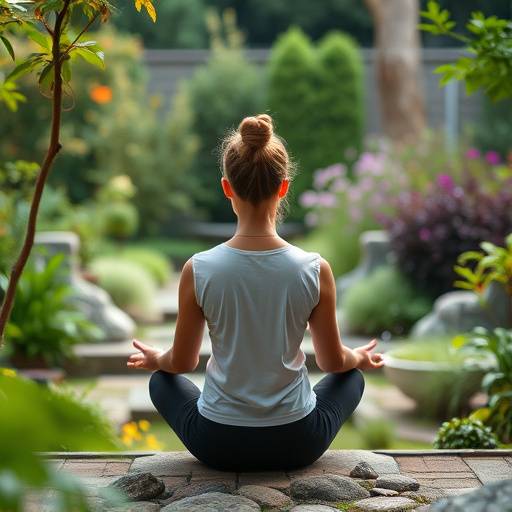
- Mindfulness Meditation: Focus on the present moment without judgment to reduce anxiety and improve overall well-being.

The Power of Mindfulness
Mindfulness is the practice of paying attention to the present moment without judgment. It can help you become more aware of your thoughts, feelings, and sensations, allowing you to respond to situations with greater clarity and calmness. In the heart of Zurich, find moments of stillness to cultivate mindfulness.
Here are some mindfulness practices you can incorporate into your daily life:
- Mindful Breathing: Focus on the sensation of your breath as it enters and leaves your body.
- Body Scan Meditation: Pay attention to different parts of your body, noticing any sensations without judgment.
- Mindful Walking: Focus on the physical sensations of walking, such as the feeling of your feet on the ground.
- Mindful Eating: Pay attention to the taste, texture, and smell of your food, savoring each bite.
Coping Mechanisms for Challenging Times
Life can be challenging, and it's important to have healthy coping mechanisms to deal with difficult emotions and situations. Avoid unhealthy coping strategies like substance abuse or emotional eating, which can worsen mental health problems. Vitality Hub encourages you to adopt constructive coping mechanisms such as:
- Journaling: Write down your thoughts and feelings to gain clarity and process your emotions.
- Creative Expression: Engage in activities like painting, drawing, writing, or playing music to express yourself. Consider visiting the Kunsthaus Zürich for inspiration.
- Spending Time in Nature: Connect with the natural world by going for walks, hiking, or simply spending time outdoors. Explore the Uetliberg mountain for stunning views and fresh air.
- Practicing Gratitude: Focus on the positive aspects of your life by keeping a gratitude journal or expressing appreciation to others.
- Setting Boundaries: Learn to say no to requests that overwhelm you and prioritize your own well-being.
- Seeking Professional Help: Don't hesitate to reach out to a therapist or counselor if you're struggling with your mental health. The Swiss Psychological Association can provide resources.
Quote from Dr. Anja Meier, Mental Health Specialist at Vitality Hub: "Prioritizing mental well-being is not a sign of weakness, but a demonstration of strength. By integrating mindfulness, stress management techniques, and healthy coping mechanisms into our daily lives, we can navigate challenges with greater resilience and foster a deeper sense of inner peace."

Building a Supportive Community
Connecting with others and building a supportive community is essential for mental well-being. Isolation and loneliness can negatively impact your mental health, so it's important to cultivate meaningful relationships. Here are some ways to build a supportive community:
- Join a Club or Group: Participate in activities that align with your interests and connect with like-minded individuals. Zurich offers a wide range of clubs, from hiking groups to book clubs.
- Volunteer: Give back to your community and make a difference in the lives of others. Volunteering can provide a sense of purpose and connection.
- Attend Local Events: Explore local festivals, concerts, and workshops to meet new people and expand your social circle.
- Stay Connected with Friends and Family: Make time for regular communication with loved ones, even if it's just a quick phone call or text message.
- Seek Support from Online Communities: Join online forums or social media groups focused on mental health and well-being.

Recognizing When to Seek Professional Help
It's crucial to recognize when you may need professional help for your mental health. While self-care strategies and community support can be beneficial, there are times when seeking guidance from a qualified mental health professional is necessary. Consider seeking professional help if you experience any of the following:
- Persistent feelings of sadness, hopelessness, or anxiety
- Difficulty concentrating or making decisions
- Changes in sleep or appetite
- Loss of interest in activities you once enjoyed
- Social withdrawal
- Thoughts of self-harm or suicide
- Difficulty managing daily tasks
Vitality Hub partners with several mental health professionals in the Zurich area. Contact us for a list of recommended therapists and counselors.
Additional Resources
Here are some additional resources to support your mental well-being:
- Pro Mente Sana (Swiss Foundation for Mental Health) - Offers support and information on mental health issues.
- World Health Organization (WHO) Mental Health - Provides global information and resources on mental health.
- National Alliance on Mental Illness (NAMI) - Offers support, education, and advocacy for individuals and families affected by mental illness.